Understanding the Manual Transmission Warning Light
As a new driver‚ familiarizing yourself with dashboard alerts is crucial; the dashboard is your car’s primary interface‚ communicating vital information effectively.
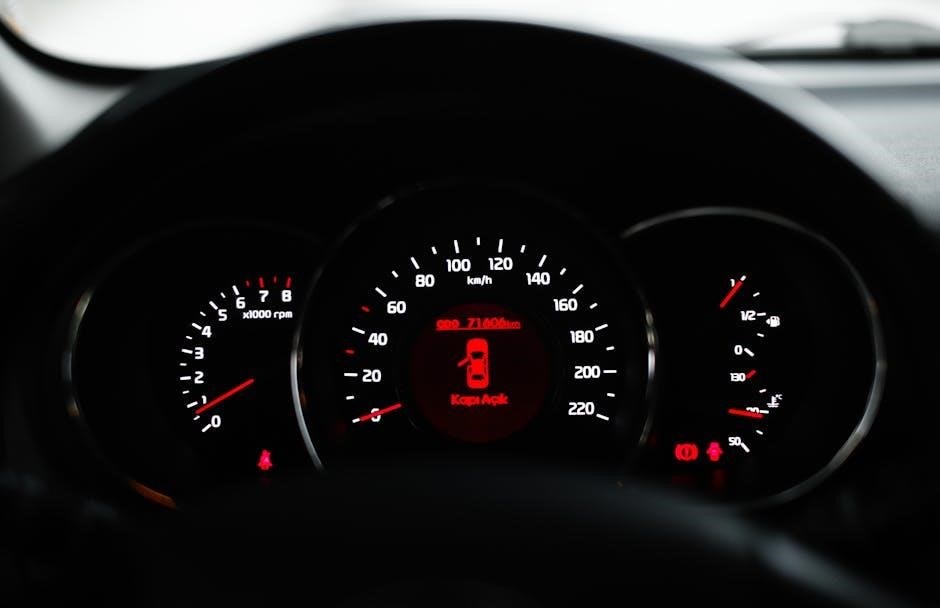
Modern vehicles boast increasingly sophisticated dashboard technology‚ a far cry from the simple speed‚ fuel‚ and temperature readouts of early automobiles. These systems are designed to deliver drivers ever more detailed information about their vehicle’s operational status. A key component of this system is the array of warning lights‚ each signaling a potential issue requiring attention.
These lights aren’t merely aesthetic additions; they are your car’s primary method of communication‚ alerting you to problems ranging from minor inconveniences to serious mechanical failures. Becoming familiar with these symbols is essential for any driver‚ especially new ones‚ as understanding them can prevent further damage and ensure your safety on the road. Ignoring these signals can lead to costly repairs or even dangerous driving conditions.
The Evolution of Automotive Warning Systems
Automotive technology has undergone a dramatic transformation since the late 1800s‚ when Carl Benz pioneered the first automobile‚ and Henry Ford made car ownership accessible to a wider audience. Early warning systems were rudimentary‚ often limited to basic gauges indicating fuel level‚ engine temperature‚ and speed. As vehicles became more complex‚ so too did the need for more sophisticated monitoring capabilities.
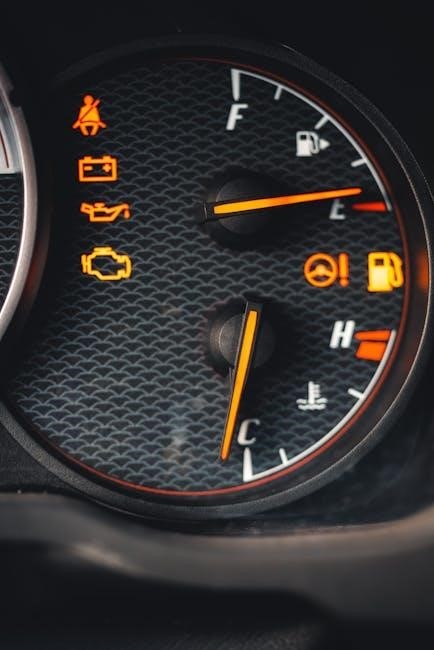
The introduction of electrical systems paved the way for the first warning lights‚ initially used for critical issues like oil pressure and charging system failures. Over time‚ these systems evolved‚ incorporating sensors and computer diagnostics to monitor a wider range of parameters. Today’s vehicles utilize advanced electronic control units (ECUs) to constantly analyze performance and alert drivers to potential problems‚ enhancing both safety and reliability.
What Does the Manual Transmission Warning Light Look Like?
Modern car dashboards feature an array of warning lights‚ each designed to communicate a specific issue to the driver. While the exact appearance can vary slightly between manufacturers‚ the manual transmission warning light generally depicts a symbol resembling a set of gears. This icon often showcases two interlocking gears‚ sometimes with a letter “N” inside‚ signifying neutral.
The color of the light is also significant. A solid yellow or amber light typically indicates a less urgent issue requiring attention‚ such as the need for maintenance. However‚ a flashing or red light signals a more serious problem demanding immediate investigation. Ignoring these visual cues can lead to further damage and potentially compromise vehicle safety‚ so understanding these symbols is vital.
Common Symbols and Their Variations
The manual transmission warning light isn’t always uniform across all vehicle makes and models. While the core symbol of interlocking gears remains consistent‚ subtle variations exist. Some manufacturers might include the letter “N” within the gear icon‚ explicitly indicating a neutral position issue. Others may depict a simplified gear representation‚ focusing on the interlocking aspect to signal a transmission-related concern.
Furthermore‚ the surrounding context can offer clues. A gear symbol accompanied by the word “Check” or an exclamation point emphasizes the need for inspection. It’s crucial to consult your vehicle’s owner’s manual to understand the specific meaning of the light displayed on your dashboard‚ as interpretations can differ. Recognizing these nuances ensures accurate diagnosis and timely maintenance.
Causes of the Manual Transmission Warning Light
Automotive technology has advanced significantly since the earliest automobiles‚ with modern cars employing sophisticated systems to inform drivers of potential issues.
Low Transmission Fluid Level
A frequently encountered cause for a manual transmission warning light is insufficient transmission fluid. This fluid is absolutely vital for lubricating the internal components‚ ensuring smooth gear changes‚ and preventing excessive wear and tear. When the fluid level drops too low‚ it can lead to increased friction and heat‚ potentially causing significant damage to the transmission.
Modern vehicles often incorporate sensors that monitor transmission fluid levels‚ triggering the warning light when a critical threshold is reached. Ignoring this warning can exacerbate the problem‚ leading to costly repairs or even complete transmission failure. Regularly checking your vehicle’s transmission fluid – following the manufacturer’s recommended schedule – is a proactive step towards preventing this issue. Remember‚ maintaining proper fluid levels is paramount for the longevity and reliable operation of your manual transmission.
Transmission Temperature Warning
Another potential trigger for the manual transmission warning light is excessively high transmission temperature. While less common than low fluid levels‚ overheating can severely damage the intricate components within the transmission. This often occurs during demanding driving conditions‚ such as towing heavy loads‚ prolonged uphill climbs‚ or aggressive driving styles.
The transmission relies on fluid to dissipate heat‚ and when the fluid breaks down or isn’t adequately cooled‚ temperatures can rapidly rise. Modern vehicles utilize temperature sensors to detect overheating‚ activating the warning light to alert the driver. Continuing to operate the vehicle with an overheated transmission can lead to warped components‚ fluid degradation‚ and ultimately‚ transmission failure. Addressing the root cause of the overheating – driving habits or potential cooling system issues – is crucial.
Faulty Transmission Sensors
The increasing sophistication of automotive technology means that warning lights aren’t always indicative of a mechanical failure; a faulty sensor can often be the culprit behind a lit manual transmission warning light. Several sensors monitor various transmission parameters‚ including speed‚ temperature‚ and fluid levels. If one of these sensors malfunctions‚ it can send incorrect data to the vehicle’s computer‚ triggering the warning light.
Diagnosing sensor issues requires specialized tools‚ such as an OBD-II scanner‚ to read diagnostic trouble codes (DTCs). These codes pinpoint the specific sensor causing the problem. While a faulty sensor doesn’t necessarily mean immediate transmission damage‚ it’s crucial to address it promptly to avoid inaccurate readings and potential misdiagnosis of more serious issues; Replacing the defective sensor usually resolves the problem.
Internal Transmission Problems
Unfortunately‚ a manual transmission warning light can sometimes signal significant internal issues within the transmission itself. Long gone are the days of simple dashboards; today’s models utilize sophisticated technology to alert drivers to potential problems. Worn or damaged gears‚ a failing clutch‚ or issues with the synchronizers can all trigger the warning light. These internal problems often manifest as difficulty shifting‚ unusual noises during operation‚ or a complete inability to engage certain gears.
Ignoring these symptoms can lead to catastrophic transmission failure and costly repairs. Addressing internal transmission problems typically requires professional diagnosis and repair‚ often involving a complete transmission rebuild or replacement. Early detection‚ aided by understanding your car’s dashboard alerts‚ is key to minimizing damage and expense.
Troubleshooting the Warning Light
You may not pay much attention to them‚ but an array of warning lights are dotted around your car’s instrument panel‚ hoping you notice.
Checking Transmission Fluid Level – A Step-by-Step Guide
Automotive technology has advanced significantly since the earliest automobiles‚ with dashboards evolving from simple readouts to sophisticated interfaces. Today’s models utilize increasingly complex technology to deliver more information to the driver. Regularly checking your manual transmission fluid is a crucial preventative measure. First‚ ensure the vehicle is parked on a level surface and the engine is warm. Locate the transmission dipstick – consult your owner’s manual for its specific location.
Carefully remove the dipstick‚ wipe it clean with a lint-free cloth‚ and reinsert it fully. Remove it again to check the fluid level. The fluid should be between the ‘min’ and ‘max’ marks. If it’s low‚ add the correct type of transmission fluid‚ as specified in your owner’s manual‚ in small increments‚ rechecking the level after each addition. Remember‚ proper fluid levels are vital for smooth operation.
Using an OBD-II Scanner for Diagnosis
Modern vehicles‚ including those with manual transmissions‚ rely heavily on onboard diagnostic (OBD-II) systems. These systems monitor various components and store diagnostic trouble codes (DTCs) when issues arise. An OBD-II scanner can retrieve these codes‚ providing valuable insights into the cause of the manual transmission warning light. Connect the scanner to the vehicle’s OBD-II port‚ typically located under the dashboard.
Turn the ignition key to the ‘on’ position (without starting the engine). Follow the scanner’s instructions to read the stored codes. Research the specific codes to understand the potential problem. While a scanner can pinpoint the issue‚ it doesn’t always provide a complete solution; professional diagnosis may still be needed. Remember‚ the dashboard is your car’s primary interface.
When to Seek Professional Help
Despite diligent troubleshooting‚ some manual transmission warning light issues require a qualified mechanic. If the warning light flashes‚ indicating a potentially severe problem‚ cease driving immediately and seek assistance. Similarly‚ if you notice accompanying symptoms like unusual noises‚ difficulty shifting‚ or fluid leaks‚ professional inspection is crucial.
Automotive technology has advanced significantly‚ and diagnosing modern transmissions often requires specialized tools and expertise. Don’t attempt complex repairs yourself if you lack the necessary skills. Ignoring the warning light or delaying repairs can lead to more extensive and costly damage. Remember‚ the dashboard is your primary interface with your car‚ alerting you to potential issues.

Preventative Maintenance for Manual Transmissions
Regular fluid checks and changes‚ alongside proper shifting techniques‚ are vital for longevity; avoid harsh driving to maintain optimal transmission performance consistently.
Regular Fluid Checks and Changes
Maintaining the correct transmission fluid level is paramount for smooth operation and preventing damage. Modern vehicles utilize increasingly sophisticated technology to monitor critical systems‚ and the transmission is no exception. Regularly checking your manual transmission fluid – typically every 30‚000 miles‚ but consult your owner’s manual – allows for early detection of leaks or low levels.
Low fluid can cause significant wear and tear on internal components. When checking‚ ensure the vehicle is on level ground and the engine is cool. The fluid should be a clear amber color; if it appears dark or smells burnt‚ a fluid change is necessary. Using the correct type of fluid‚ as specified by the manufacturer‚ is crucial. Ignoring fluid maintenance can lead to costly repairs and potentially complete transmission failure‚ impacting your vehicle’s reliability.
Proper Shifting Techniques
Mastering proper shifting techniques is fundamental to preserving your manual transmission’s health. Automotive technology has advanced significantly‚ yet the core principles of mechanical sympathy remain vital. Avoid “speed shifting” or aggressively dumping the clutch‚ as this places undue stress on gears and the clutch disc.
Smooth‚ deliberate shifts minimize wear and tear. Fully depress the clutch pedal before each gear change and synchronize engine speed with the gear selection. Rev-matching‚ particularly during downshifts‚ further reduces strain. Harsh driving conditions‚ like frequent rapid acceleration and deceleration‚ accelerate component fatigue. Remember‚ the dashboard is your car’s primary interface‚ alerting you to potential issues‚ but preventative driving habits are key to avoiding them.
Avoiding Harsh Driving Conditions
Prolonged exposure to harsh driving conditions significantly impacts manual transmission longevity. Frequent‚ aggressive acceleration and abrupt braking generate excessive stress on internal components. Modern dashboards utilize increasingly sophisticated technology to deliver crucial driver information‚ but proactive driving habits are paramount.
Minimize “riding the clutch‚” which causes premature wear. Avoid prolonged uphill climbs in low gears‚ as this overheats the transmission. Equally detrimental is frequent shifting between gears at high RPMs. Remember‚ the dashboard alerts you to problems‚ but preventing them through considerate driving is far more effective. Prioritizing smooth operation extends the transmission’s lifespan and reduces the likelihood of triggering a warning light.
Safety Considerations
An array of warning lights populate your instrument panel‚ hopefully remaining dormant; however‚ understanding their implications is vital for safe vehicle operation and driver awareness.
Driving with the Warning Light On
Encountering the manual transmission warning light while driving demands immediate‚ yet cautious‚ attention. While not always signaling catastrophic failure‚ ignoring it poses significant risks. Automotive technology has evolved dramatically‚ offering increasingly sophisticated diagnostics‚ but driver response remains paramount.
If the light illuminates‚ reduce speed and avoid harsh acceleration or abrupt gear changes. Assess the vehicle’s behavior – are there unusual noises‚ vibrations‚ or difficulty shifting? Continued driving could exacerbate underlying issues‚ potentially leading to more extensive and costly repairs.
Prioritize finding a safe location to pull over and inspect the transmission fluid level‚ if possible. However‚ remember that this is a temporary measure. Ultimately‚ professional diagnosis is crucial to determine the root cause and prevent further damage. Driving with the light on is permissible for a short distance to reach a repair facility‚ but prolonged operation is strongly discouraged.
Potential Risks of Ignoring the Warning
Disregarding the manual transmission warning light can escalate minor issues into major‚ expensive repairs. Modern dashboards utilize sophisticated technology to alert drivers‚ and these warnings shouldn’t be taken lightly. Ignoring the signal risks further damage to the transmission’s internal components‚ potentially leading to complete failure.
Continued operation with an illuminated warning light can cause increased friction and wear‚ contaminating the transmission fluid and reducing its lubricating properties. This can result in difficulty shifting gears‚ slipping gears‚ or even the inability to engage certain gears altogether.
Ultimately‚ neglecting the warning could necessitate a full transmission rebuild or replacement – a significantly more costly undertaking than addressing the initial problem. Prioritizing timely diagnosis and repair safeguards your vehicle and prevents potentially dangerous driving conditions. Remember‚ proactive maintenance is always more economical than reactive repair.
Leave a Reply